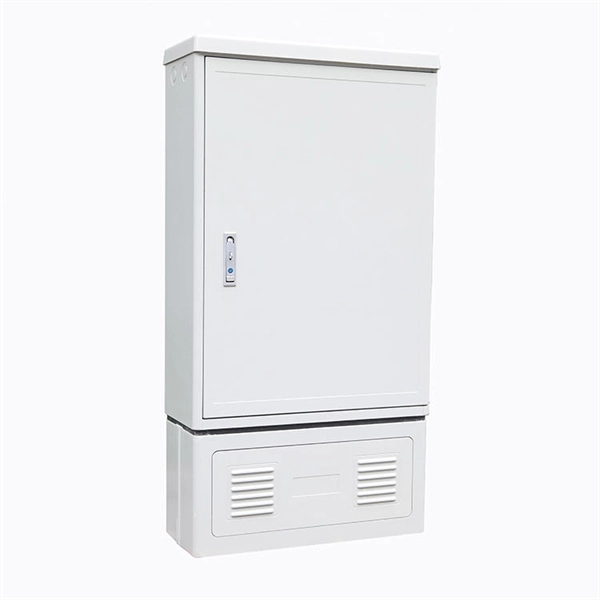
Moisture-proofing measures for outdoor electrical distribution boxes
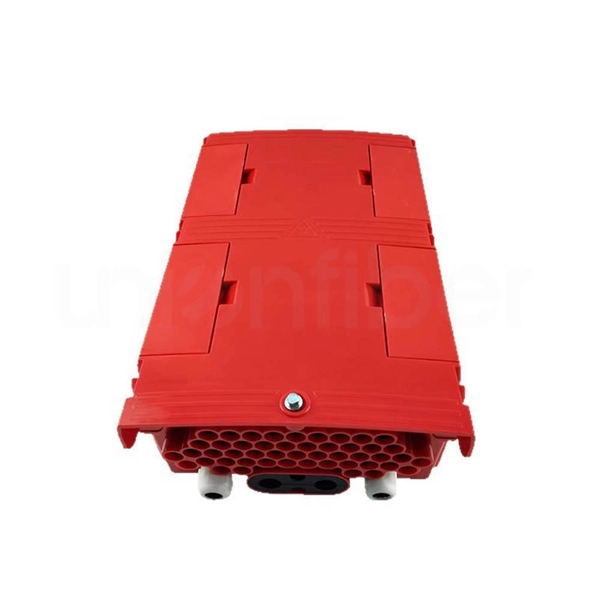
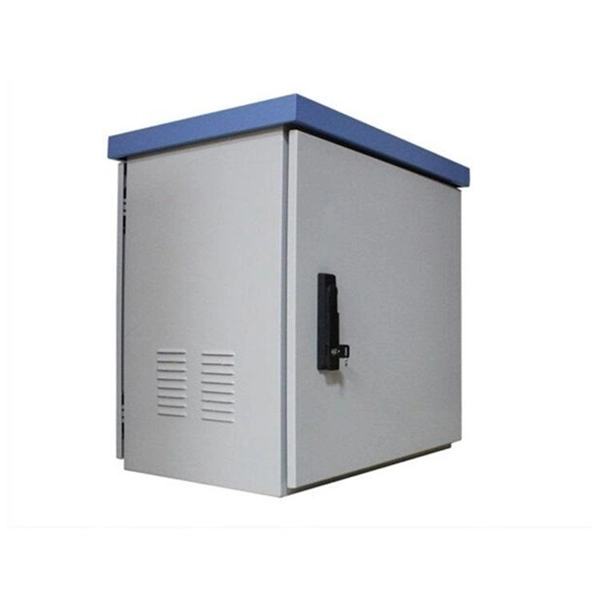
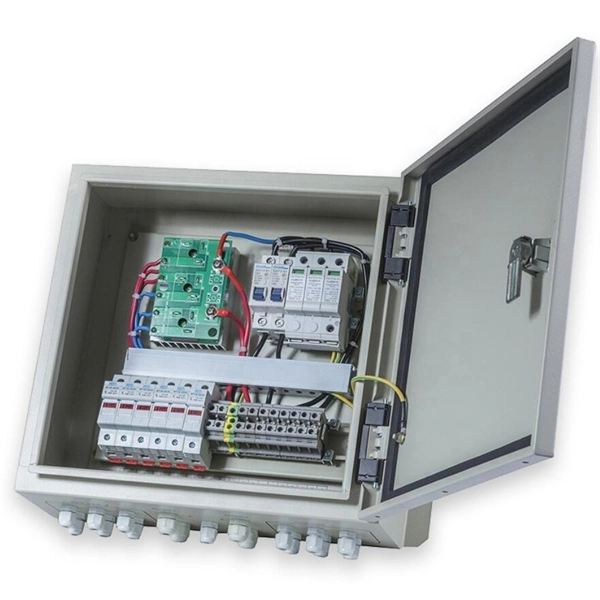
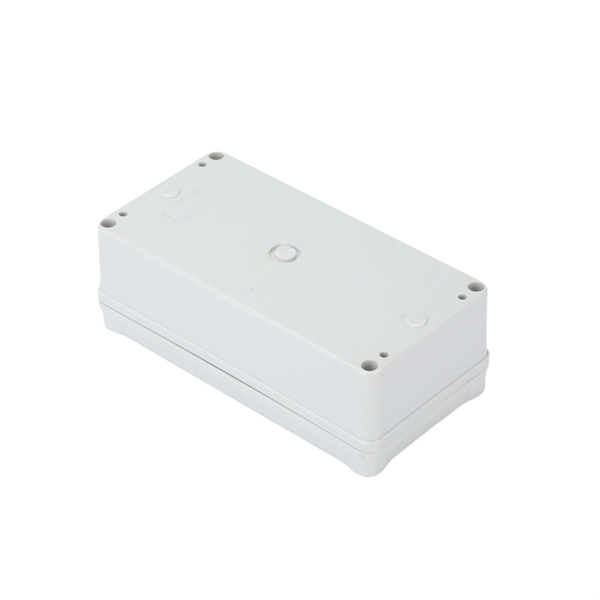
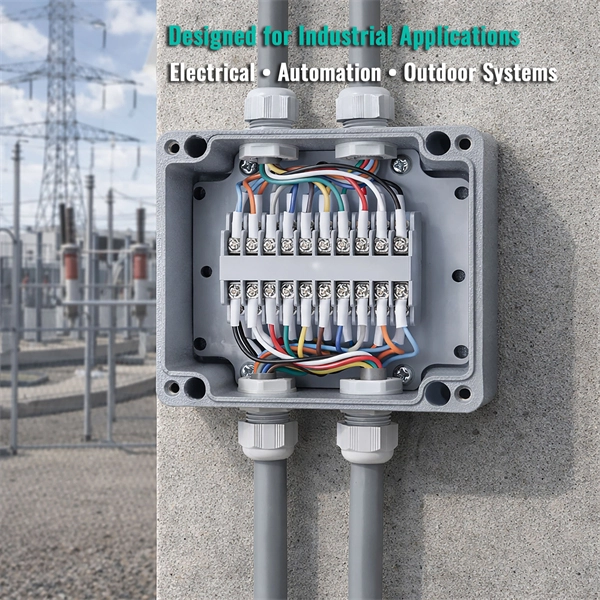
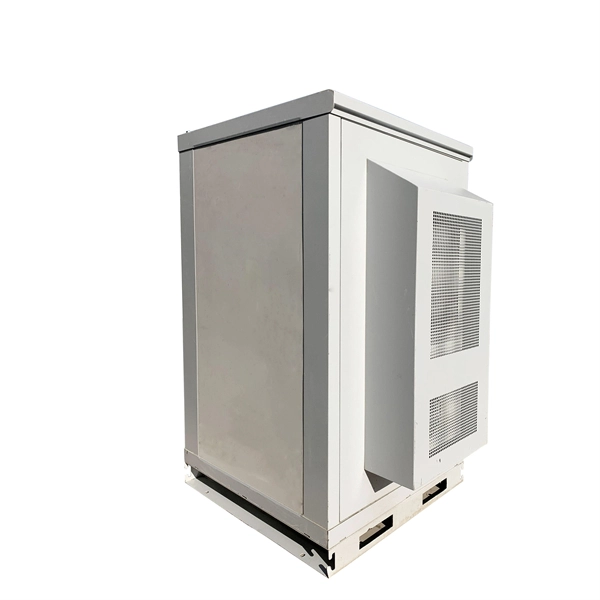
Effective moisture-proofing for outdoor electrical distribution boxes combines proper enclosure selection, sealing, drainage, ventilation, and regular maintenance to ensure safety and reliability.Choosing the Right EnclosureSelect a weatherproof or waterproof electrical box made from durable materials such as stainless steel, aluminum, or high-quality ABS plastic, which resist corrosion, UV degradation, and temperature extremes . Ensure the box has a high IP rating (IP65 or higher) or an appropriate NEMA rating to protect against water jets, heavy rain, and dust ingress . For heavy rain or humid climates, consider IP66 or IP67-rated enclosures for maximum protection .Sealing and GasketsProper sealing is critical. Use gaskets at doors and cable entry points and apply silicone-based sealants around screws, openings, and penetrations to prevent water ingress . Inspect seals regularly and replace any worn or damaged gaskets to maintain a tight barrier against moisture .Drainage and VentilationDesign or select boxes with sloped roofs and drainage holes to divert rainwater and prevent pooling . Install hydrophobic vents at the highest point of the enclosure to allow air circulation while blocking water, which reduces condensation risk . For high-humidity areas, consider using desiccant packs inside the box to absorb moisture and maintain low internal humidity .Installation Best PracticesMount the box on a flat, stable surface to avoid stress on gaskets and seals .Use proper cable glands to prevent leaks at wire entry points; avoid over-tightening which can crack the enclosure .Position the box away from direct water flow, vegetation, or areas prone to flooding .Ensure all wiring is insulated and connections are secure to prevent short circuits .MaintenanceRegularly inspect the box, seals, and wiring for damage, debris, or moisture accumulation . Clean the interior and exterior with a dry cloth or soft brush, and replace any compromised components promptly. Schedule annual inspections to ensure long-term reliability, especially in harsh climates .Additional ConsiderationsUse GFCI-protected outlets for outdoor connections to enhance safety .Avoid using standard indoor electrical components in outdoor boxes; always select components rated for outdoor use .Understand that even the best enclosures can face condensation; proper ventilation and moisture-absorbing materials help mitigate this risk . By combining high-quality materials, proper sealing, drainage, ventilation, and routine maintenance, outdoor electrical distribution boxes can remain safe, dry, and fully operational in challenging weather conditions .