Regulations for the containment of fiber optic cables after splicing
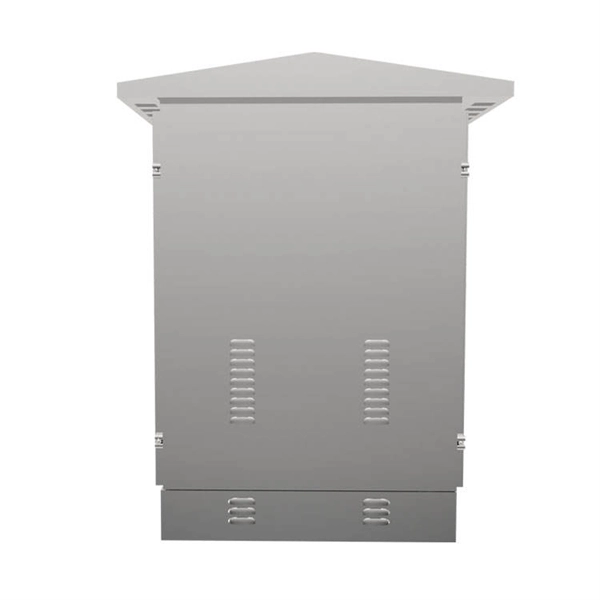
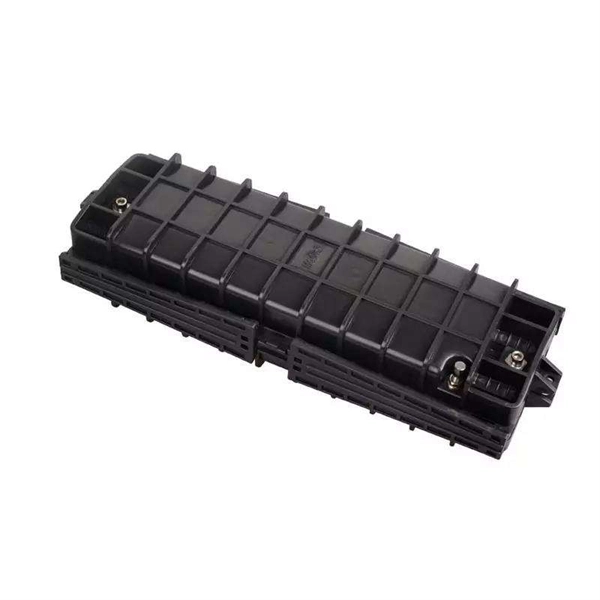
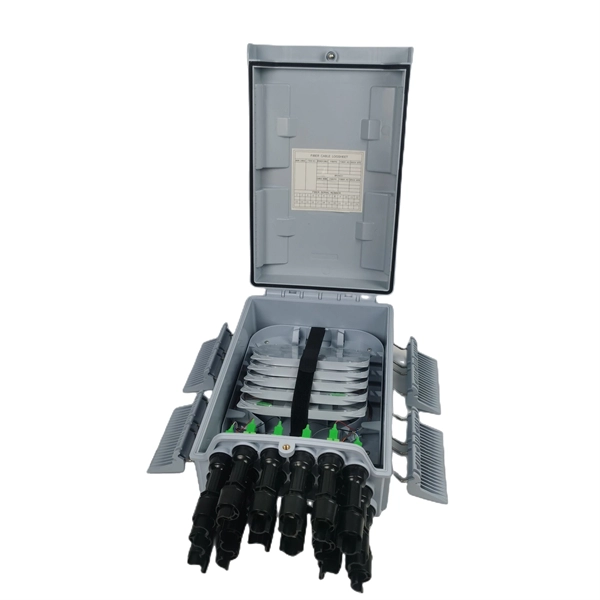
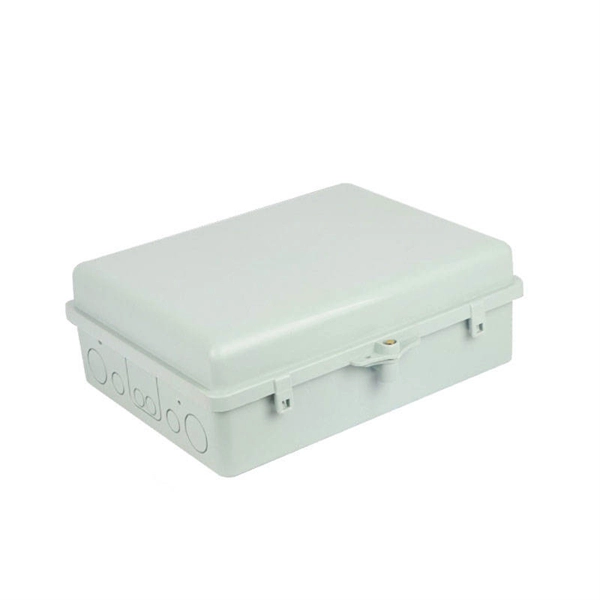
Fiber optic splices must be contained in approved splice enclosures, protected from moisture and contaminants, and tested for continuity and splice loss according to RUS, ANSI/IEEE, and OSHA standards.Splice Containment and EnclosuresAfter splicing, fiber optic cables must be housed in approved splice closures or enclosures to protect the fibers from environmental hazards such as moisture, dust, and mechanical stress. The Rural Utilities Service (RUS) mandates that all splice cases on toll trunk and feeder cables, whether aerial, buried, or underground, must be filled and sealed to prevent ingress of moisture or contaminants. If a splice is left unattended, it must be sealed immediately to maintain cable integrity. Minor sheath damage should be repaired promptly using layers of dielectric-resistant (DR) tape and plastic tape, or by installing a splice closure if the shield is compromised (7 CFR 1755.200) .Armor and Shield ContinuityFor armored fiber optic cables, regulations require verification of armor continuity within and between splices. Measurements should be performed using a cable shield splice continuity tester following the manufacturer's instructions. This ensures that the armor remains electrically continuous and protects against mechanical damage or grounding issues (7 CFR § 1755.404) .Splice Loss TestingAfter splicing, splice loss measurements must be conducted to confirm optical performance. Field splices should be tested at 1310 nm and/or 1550 nm for single-mode fibers using an optical time-domain reflectometer (OTDR). Measurements are typically bi-directional, and the average loss is recorded to ensure compliance with performance standards (7 CFR § 1755.404) .Safety and OSHA ComplianceWhile containment focuses on cable protection, worker safety is also regulated. OSHA standards require proper personal protective equipment (PPE), including eye protection when working with fusion splicers, and adherence to general industry and telecommunications-specific standards (29 CFR 1910, 1910.268). Employers must control hazards such as arc-generated light, fumes, and chemical exposure during splicing operations (LegalClarity.org) .Best PracticesUse manufacturer-approved splice closures and follow installation instructions precisely.Ensure moisture-proof sealing for all splices, especially in outdoor or underground environments.Maintain records of splice locations, continuity tests, and splice loss measurements for quality assurance.Inspect and repair any minor sheath damage immediately to prevent long-term degradation.Train personnel in safe handling, PPE use, and proper splicing techniques to comply with OSHA and FOA safety guidelines (The FOA Reference) . By following these regulations and best practices, fiber optic splices remain mechanically secure, environmentally protected, and optically reliable, while ensuring compliance with federal safety and telecommunications standards.