Internet of Things Based on Fiber Optic Sensing

Fiber optic sensing enhances IoT by enabling high-precision, long-range, and multi-parameter monitoring, transforming ordinary networks into intelligent, sensory infrastructures.Overview of Fiber Opti...

HOME / Internet of Things Based on Fiber Optic Sensing - Umele Photonics & Micro-Optics Europe

Internet of Things Based on Fiber Optic Sensing

Fiber optic sensing enhances IoT by enabling high-precision, long-range, and multi-parameter monitoring, transforming ordinary networks into intelligent, sensory infrastructures.Overview of Fiber Optic Sensing in IoTFiber optic sensors use optical fibers to detect physical and chemical changes such as temperature, pressure, strain, and environmental disturbances. Unlike traditional electronic sensors, they are immune to electromagnetic interference, capable of long-distance data transmission, and can support multiple sensors on a single fiber through multiplexing techniques . This makes them ideal for IoT applications where reliability, precision, and scalability are critical.Technical PrinciplesModern IoT systems based on fiber optic sensing often employ Distributed Fiber-Optic Sensors (DFOS) and Optical Frequency Domain Reflectometry (OFDR). These technologies allow high spatial resolution and wide measurement ranges, enabling real-time monitoring of large infrastructures or environments . Advanced methods, such as time optimization interpolation and distance domain compensation, help overcome trade-offs between processing speed, spatial resolution, and strain measurement range, making fiber-based IoT systems faster and more accurate .Emerging Paradigms: Internet of Fiber-Optic Things (IoFOT)The Internet of Fiber-Optic Things (IoFOT) is an evolution of traditional IoT, where a single optical fiber simultaneously handles data transmission, power delivery, and multi-parameter sensing . Techniques like space-division multiplexing (SDM) and wavelength-division multiplexing (WDM) allow concurrent operation of communication and sensing functions. Energy harvesting units can recycle power from fiber-optic sensors to supply IoT devices, enabling self-sustaining networks .ApplicationsFiber optic sensing in IoT spans multiple industries:Structural Health Monitoring (SHM): Bridges, buildings, and pipelines can be monitored for strain, cracks, and temperature variations in real-time, preventing catastrophic failures .Smart Agriculture: Soil moisture, nutrient content, and environmental conditions are tracked to optimize crop yields and reduce resource waste .Energy and Transportation: Electric vehicle batteries can be equipped with optical “nerves” to detect failures, and submarine cables can serve as earthquake warning systems .Environmental Monitoring: Water quality, pollution levels, and seismic activity can be continuously monitored for disaster prevention and conservation .Healthcare: Non-invasive monitoring of vital signs such as blood pressure and oxygen saturation is possible with fiber optic sensors .Smart Cities: Traffic flow, water pipeline leaks, and public safety can be monitored in real-time, enhancing urban management .Marine Life Tracking: Fiber-optic sensors embedded in submarine cables can identify and track marine species with high accuracy .AdvantagesFiber optic sensing offers several key benefits for IoT:High Sensitivity and Precision: Detects minute environmental changes.Long-Range Transmission: Reduces the need for repeaters and supports large-scale networks.Multiplexing Capabilities: Multiple sensors on a single fiber reduce costs and complexity.Immunity to EMI: Ensures reliable operation in harsh industrial environments.Integration with Power Delivery: Supports self-powered IoT devices through energy harvesting .Future OutlookThe integration of fiber optic sensing into IoT is expected to revolutionize smart infrastructure, environmental monitoring, and industrial automation. With advancements in multiplexing, distributed sensing, and energy harvesting, fiber-based IoT networks will become more autonomous, scalable, and intelligent, forming the backbone of next-generation smart cities, precision agriculture, and global monitoring systems .
Internet Things Based Fiber PON

Optical Fiber Sensors in IoT | Springer Nature Link

Methods to reduce the costs of fabricating and implementing different OFSs have been explained, in order to increase the feasibility and applicability of optical fiber based sensing,
Topic Editorial on Fiber-Optic Sensors

Graphene, a revolutionary two-dimensional carbon-based material with a hexagonal honeycomb lattice, zero-band gap, and exceptionally high specific surface area, possesses
Optical fiber temperature sensors for Internet of Things (IoT) Networks

Optical fiber sensors can be effectively monitored remotely through hybrid optical-wireless networks. Based on the IoT, remotely accessing real-time optical fiber sensor network
Turning Fiber into a Sensing System: The Magic of Fiber Optics

Imagine a world where the Internet doesn''t just connect but senses —detecting earthquakes, monitoring battery health, or safeguarding critical infrastructure. This is the power of
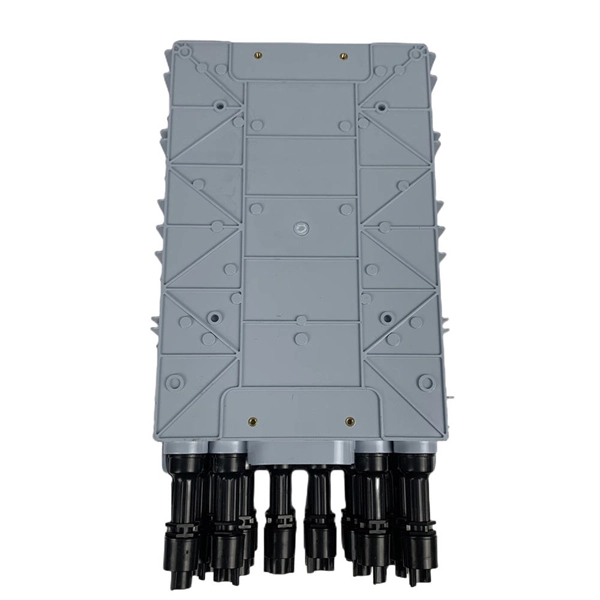
Fibre Optics and 5G: The Future of High Speed Networks

Without extensive optical fibers running beneath city streets and across continents, 5G''s promises of ultra fast connectivity remain just promises. The rest of this article shows you how these
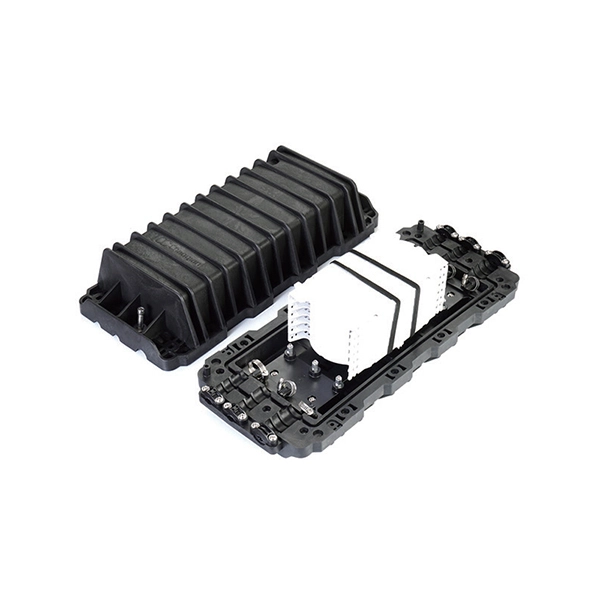
Optical fiber temperature sensors for Internet of Things (IoT) Networks

The optical fiber-based sensors (OFS) have garnered significant attention during the last two decades because they offer high sensitivity, electromagnetic immunity, and the facility to operate
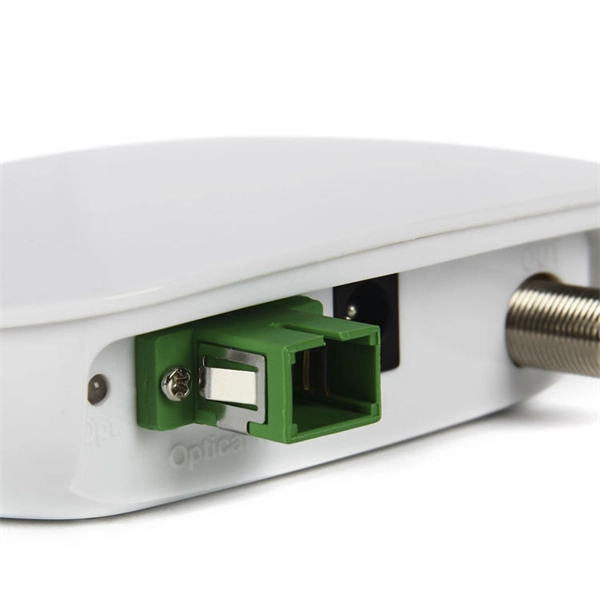
Roles of Optical Fiber Sensors in the Internet of Things

By the integration of optical fiber sensors and the discussion of a few applications, this study explores the roles, opportunities, and challenges of optical fiber sensors in Internet of Things
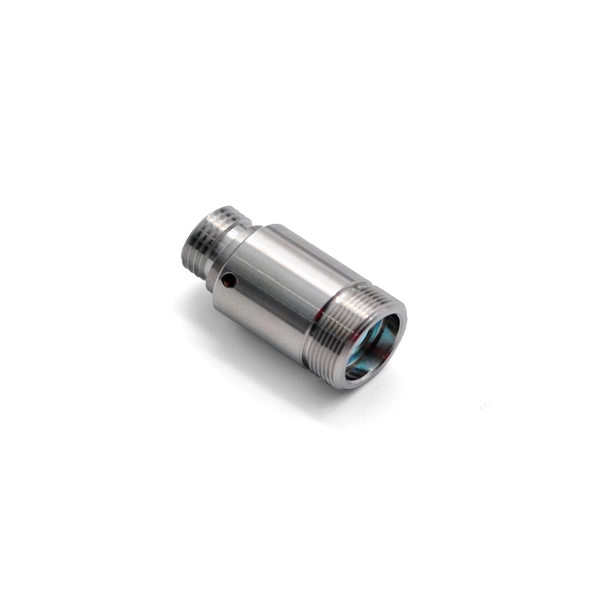
The Internet of Fiber-Optic Things and Smart Sensing

This dissertation introduces the Internet of Fiber-Optic Things (IoFOT)—a new concept where a single optical fiber handles data, power, and smart sensing simultaneously. Demonstrated
SPR-Based Fiber Optic Sensor for the Development of Internet of Things

Photonic crystal fiber (PCF) is a crucial component of optical fiber. Today, PCF has sparked widespread interest because of its potential in sensor systems, photonic devices, and
Optical Fiber Sensors: Working Principle, Applications, and Limitations

This work reviews the fiber-optic sensors based on Bragg gratings, long period gratings, interferometers, surface plasmon resonance, fluorescence, and light diffusion. Brief theory of sensing
Fiber-optic sensors | Photonics Laboratory

His work aims to incorporate smart sensing solutions leveraging machine learning-aided Distributed Fiber Optic Sensing (DFOS) into the next generation of fiber-based telecommunication
SPR-Based Fiber Optic Sensor for the Development of Internet of

However, the features of technologies are updating day by day, and to keep up with the latest features, optical fiber sensors are a key issue for the Internet of Things (IoT) technologies.

Optic Fiber Sensing IOT Technology and Application Research

4.1. Optical Fiber Sensing Technology Application in Sensing Layer application of the Internet of Things will be unparalleled. In the application of Things perception layer, on the one hand, fiber optic

Integrated sensing and communication in an optical fibre

A scheme of integrated sensing and communication in an optical fibre (ISAC-OF) using the same wavelength channel for simultaneous high-speed data transmission and distributed
Photonic-Enhanced Fiber-Optic Sensor Networks for Large-Scale IoT

In this paper, a photonic-enhanced fiber-optic sensor network (FO-SN) architecture is introduced that integrates fiber backhaul, radio-over-fiber (RoF) front end, and in-fiber sensing modalities in order to
(PDF) The Role of Optical Fiber Sensor in Internet of Things

Optical fiber Sensors have a wide range of applications in the field of remote sensing because they do not require electrical power at the remote location and are tiny which makes

Internet of Things Infrastructure Based on Fast, High Spatial

In this article, a time optimization interpolation method and a distance domain compensation method are reported and experimentally verified to break the aforementioned tradeoffs
Internet of Things Infrastructure Based on Fast, High Spatial

Information sensor can realize the ubiquitous connection between objects and humans by the distributed fiber-optic sensor array, i.e., emerging infrastructure for Internet of Things, in which
Optical Fiber Sensors and Sensing Networks: Overview of the Main

Optical fiber sensors present several advantages in relation to other types of sensors. These advantages are essentially related to the optical fiber properties, i.e., small, lightweight,
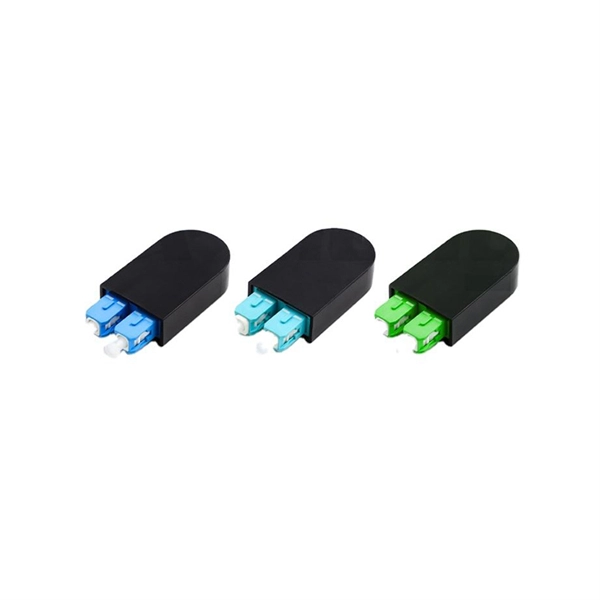
The Internet of Fiber-Optic Things and Smart Sensing

Building on these advancements, this work introduces the Internet of Fiber-Optic Things (IoFOT), a paradigm where a single optical fiber concurrently supports optical communications,...
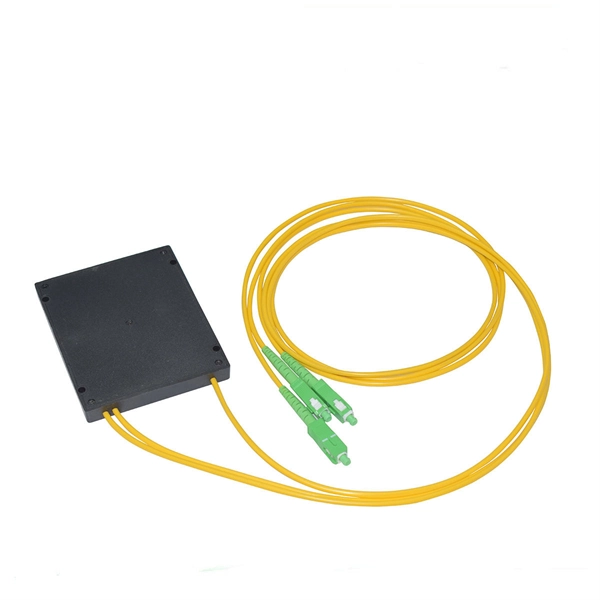
Roles of Optical Fiber Sensors in the Internet of Things: Applications

Compared with electrical-based sensors, fiber optic sensors (FOSs) possess the inherent advantages of being small and having passive sensing, anti-electromagnetic interference, etc., which
Roles of Optical Fiber Sensors in the Internet of Things

The low-cost multiplexing and distributed sensing capabilities of fiber optic-based sensors, or OFSs, have shown some properties that make them appropriate for var-ious Internet of Things-related
(PDF) The Role of Optical Fiber Sensor in Internet of Things

To resolve the current problems existing in monitoring the subsidence of substations built on a slope, an inclinometer based on FBG sensor technology is developed in this study. The FBG...

Optical Networking & Micro-Optics Insights